
The Cat Hygiene Checklist: A Head-To-Tail Guide For A Clean, Healthy Cat
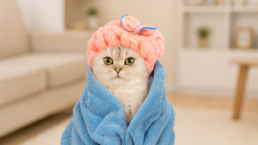
Cats are known for being meticulous self-groomers, but even the most fastidious feline needs a little help from their human to stay truly clean and healthy. Proper hygiene isn’t just about keeping your cat smelling fresh — it plays a crucial role in preventing infections, skin problems, dental disease, and overall discomfort.
Whether you’re a first-time cat parent or a seasoned feline companion, this cat hygiene checklist will help you cover every essential — from nose to tail.
1. Coat & Skin Care: The Foundation of Feline Hygiene
A clean, healthy coat protects your cat from environmental irritants and regulates body temperature. While cats lick themselves regularly, brushing is still essential.
Checklist:
- Brush short-haired cats 1–2 times a week
- Brush long-haired cats daily to prevent matting
- Check for dandruff, redness, or excessive shedding
- Watch for signs of parasites like fleas or ticks
Occasional bathing may be needed only when your cat is visibly dirty, has rolled in something unpleasant, or has a medical condition. Always use a gentle, pH-balanced cat shampoo — never human products, which can dry out and irritate their skin.
2. Paw & Nail Hygiene
Paws come into contact with everything — litter, dust, and household surfaces. Neglecting paw hygiene can lead to infections, cracked pads, or overgrown nails.
Checklist:
- Inspect paw pads weekly for cuts, dryness, or swelling
- Wipe paws occasionally with a damp cloth
- Trim nails every 2–3 weeks
- Ensure scratching posts are available to maintain nail health
- Overgrown nails can curl into the paw pads, causing pain and infections, so consistent trimming is essential.
3. Litter Box Cleanliness: Non-Negotiable
One of the biggest hygiene factors for both cats and humans is the litter box. A dirty litter box can cause urinary infections, stress-related urination issues, and behavioral problems.
Checklist:
- Scoop waste at least once daily
- Change litter completely every 1–2 weeks
- Wash the litter box with mild soap and warm water
- Place the box in a quiet, well-ventilated area
- Use one litter box per cat + one extra
A clean litter box encourages healthy elimination habits and keeps your home hygienic.
4. Dental Hygiene: Often Ignored, Always Important
Dental disease is one of the most common health problems in cats. Plaque buildup, bad breath, and gum inflammation can lead to serious infections if ignored.
Checklist:
- Brush your cat’s teeth 2–3 times a week (if possible)
- Use only cat-specific toothpaste
- Provide dental treats or vet-approved dental diets
- Watch for bad breath, drooling, or difficulty eating
- Schedule regular dental checks with your vet
Good oral hygiene isn’t just about fresh breath — it protects vital organs too.
5. Ear Hygiene & Eye Care
Cats’ ears and eyes are sensitive and require gentle care. Dust, wax buildup, or discharge can quickly turn into infections.
Checklist:
- Check ears weekly for redness, odor, or discharge
- Clean only the outer ear with a soft damp cotton pad
- Never insert cotton buds deep into the ear
- Gently wipe eye discharge with a clean, moist cloth
- Persistent redness or discharge needs vet attention
Healthy ears and clear eyes are signs of overall good hygiene and well-being.
6. Grooming the Sanitary Areas
Long-haired cats and kittens may struggle to keep their rear area clean, especially after using the litter box.
Checklist:
- Trim excess fur around the hindquarters if needed.
- Gently clean soiled fur with warm water.
- Check regularly for stuck litter.
- Consult a groomer or vet if matting becomes severe.
Maintaining hygiene in this area helps prevent skin infections and unpleasant odors.
7. Bedding, Bowls & Everyday Environment Hygiene
Cat hygiene isn’t just about the cat — it’s also about the spaces they live in.
Checklist:
- Wash bedding and blankets weekly
- Clean food and water bowls daily
- Sanitize toys regularly
- Vacuum fur and dander to reduce allergens
- Ensure clean drinking water is always available
A clean environment reduces the risk of bacterial growth and keeps your cat healthier in the long run.
8. Parasite Prevention Is Part of Hygiene
Fleas, ticks, and mites not only cause itching and irritation but also spread diseases.
Checklist:
- Maintain regular flea and tick prevention as per vet advice.
- Check coat and skin frequently.
- Clean bedding and resting areas regularly.
- Treat all pets in the household simultaneously if required.
Parasite protection is preventive hygiene, not just treatment.
9. Hygiene During Seasonal Changes
Weather changes affect skin, coat, and shedding cycles. Winter dryness and summer humidity both require adjustments in hygiene routines.
Checklist:
- Moisturize paws and coat during winter dryness.
- Bathe only when necessary.
- Increase brushing during shedding seasons.
- Monitor hydration in both summer and winter.
Seasonal hygiene prevents discomfort before it turns into a medical issue.
10. Use Only Cat-Safe, Gentle Products
Cats are extremely sensitive to chemicals and fragrances. Many household or human grooming products can be toxic to them.
Always choose:
- Cat-specific shampoos
- Vet-recommended grooming products
- Alcohol-free, mild formulations
- pH-balanced hygiene solutions
Trusted, veterinary-backed ranges like Enavant PetCare focus on gentle cleansing that supports the skin barrier rather than stripping it.
Good hygiene is one of the simplest yet most powerful ways to ensure your cat lives a healthy, comfortable, and stress-free life. While cats groom themselves daily, they rely on their humans for the parts they can’t manage alone — nails, teeth, ears, clean environments, and safe grooming products.
By following this Cat Hygiene Checklist, you don’t just maintain cleanliness — you prevent infections, reduce vet visits, strengthen your bond, and enhance your cat’s overall quality of life.
Because a clean cat is not just a happy cat — it’s a healthier one.