
Introvert Dogs Vs Extrovert Dogs: The Ultimate Showdown
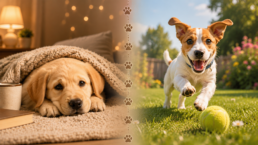
Every dog has a personality. Some burst into a room like they own the place, ready to greet every human, dog, squirrel, and moving leaf in sight. Others prefer quiet corners, familiar faces, and a calm routine. Just like people, dogs can lean toward introverted or extroverted behaviour.
That doesn’t mean one type is better than the other. It simply means dogs experience the world differently.
If you’ve ever wondered why one dog drags you toward every stranger at the park while another hides behind your legs, this ultimate showdown explains it all.
WHAT MAKES A DOG INTROVERTED OR EXTROVERTED?
Dog personality comes from a mix of genetics, breed tendencies, early socialization, environment, and life experiences.
An extrovert dog usually gains energy from interaction. They enjoy attention, excitement, activity, and social situations. They’re often confident in new environments and curious about everything around them.
An introvert dog tends to be more reserved. They may prefer smaller groups, quiet spaces, and predictable routines. Introverted dogs are often thoughtful observers before they engage.
It’s important to remember that these are personality tendencies, not strict categories. A dog can be social and still need alone time. Another dog might seem shy at first but become playful once comfortable.
Round One: Social Skills
Extrovert dogs dominate this round.
These are the dogs who think every visitor came specifically to see them. They greet delivery drivers like long-lost friends and assume every trip outside is a party.
Popular extroverted breeds often include Labrador Retrievers, Golden Retrievers, Boxers, and Beagles. They usually thrive in busy homes and enjoy meeting new people.
Introvert dogs, on the other hand, approach social situations carefully. They prefer trust over instant connection. Instead of running toward strangers, they may watch from a distance first.
Breeds often considered more reserved include Shiba Inus, Chow Chows, Greyhounds, and some Akitas. These dogs can still be loving and loyal, but they usually choose their people carefully.
In a crowded dog park, the extrovert dog is racing from one playmate to another. The introvert dog is standing nearby, silently judging everyone.
Round Two: Energy Levels
Extrovert dogs are usually high-energy entertainers.
They love games, long walks, outdoor adventures, and constant stimulation. If they don’t get enough activity, they may create their own fun by chewing shoes, stealing socks, or redecorating your couch cushions.
Introvert dogs are often calmer and more independent. Many enjoy short play sessions followed by long naps in peaceful spots.
That doesn’t mean introverted dogs are lazy. Some are incredibly athletic. They simply recharge differently.
Think of the extrovert dog as the friend who wants to go to three parties in one night. The introvert dog is the friend who’s happy staying home with snacks and one trusted companion.
Round Three: Training and Communication
This round is surprisingly close.
Extrovert dogs are often eager to please and highly motivated by praise, treats, and interaction. Their enthusiasm can make training fun.
The downside? Their excitement can also distract them. An extrovert dog might forget a command halfway through because they spotted a bird.
Introvert dogs may take longer to warm up during training, but they’re often deeply focused once engaged. They tend to observe carefully before responding.
Some introverted dogs can appear stubborn, but in many cases, they simply dislike chaotic environments or rushed communication.
The key difference is approach.
Extrovert dogs respond well to energetic training sessions with lots of encouragement. Introvert dogs usually perform better in calm, low-pressure settings.
Round Four: Home Life
Your lifestyle matters a lot when choosing between these personality types.
Extrovert dogs usually love active households. They enjoy kids running around, visitors coming over, and constant movement. Many fit well into families who spend lots of time outdoors or hosting gatherings.
However, extroverted dogs can struggle with boredom and separation anxiety if left alone too often.
Introvert dogs often thrive in peaceful environments. Apartments, quiet homes, and predictable schedules may suit them perfectly.
They’re usually content spending time independently and may handle alone time better than highly social dogs.
That said, introvert dogs can become overwhelmed in loud or chaotic households. They need safe spaces where they can relax without pressure.
One isn’t easier than the other. Their needs are simply different.
Round Five: Emotional Intelligence
Both personality types shine here, just in different ways.
Extrovert dogs express affection openly. They shower owners with excitement, tail wags, face licks, and dramatic greetings every time someone walks through the door.
They wear their emotions on their furry sleeves.
Introvert dogs tend to show affection more quietly. They may sit beside you silently, follow you from room to room, or lean gently against your leg.
Their loyalty often feels deep and intentional.
Many owners describe introverted dogs as emotionally sensitive. They pick up on moods quickly and prefer calm, stable energy.
Extrovert dogs, meanwhile, often bring emotional brightness into a home. Their enthusiasm can lift the mood of an entire family.
Can Dogs Change Their Personality?
To some extent, yes.
A shy puppy can become more confident through positive socialization. An overly energetic dog can learn calm behaviour through training and structure.
But core temperament usually stays fairly consistent.
Trying to force an introvert dog into nonstop social situations can create stress. Likewise, expecting an extrovert dog to stay calm and inactive all day usually leads to frustration.
The goal shouldn’t be changing your dog’s personality. It should be understanding and supporting it.
Which Type Is Better?
Neither wins the showdown.
Extrovert dogs bring excitement, comedy, and nonstop affection. They make every outing feel like an adventure.
Introvert dogs bring calm companionship, quiet loyalty, and emotional depth. They often form incredibly strong bonds with their owners.
The best dog personality depends on your lifestyle.
If you love hiking, social gatherings, and constant activity, an extrovert dog may fit naturally into your routine.
If you prefer quiet evenings, peaceful walks, and low-key companionship, an introvert dog might feel like your perfect match.
Some of the happiest households actually contain a mix of both personalities. The extrovert keeps life entertaining while the introvert keeps things grounded.
Final Thoughts
Dogs are far more emotionally complex than many people realize. Some crave excitement and attention. Others value space, routine, and trust.
Whether your dog is the life of the party or the silent observer in the corner, their personality is part of what makes them special.
The real winner in the introvert versus extrovert dog showdown isn’t one personality type over the other.
It’s the humans lucky enough to love them both.