
Why People And Their Pets Start Looking And Acting Alike
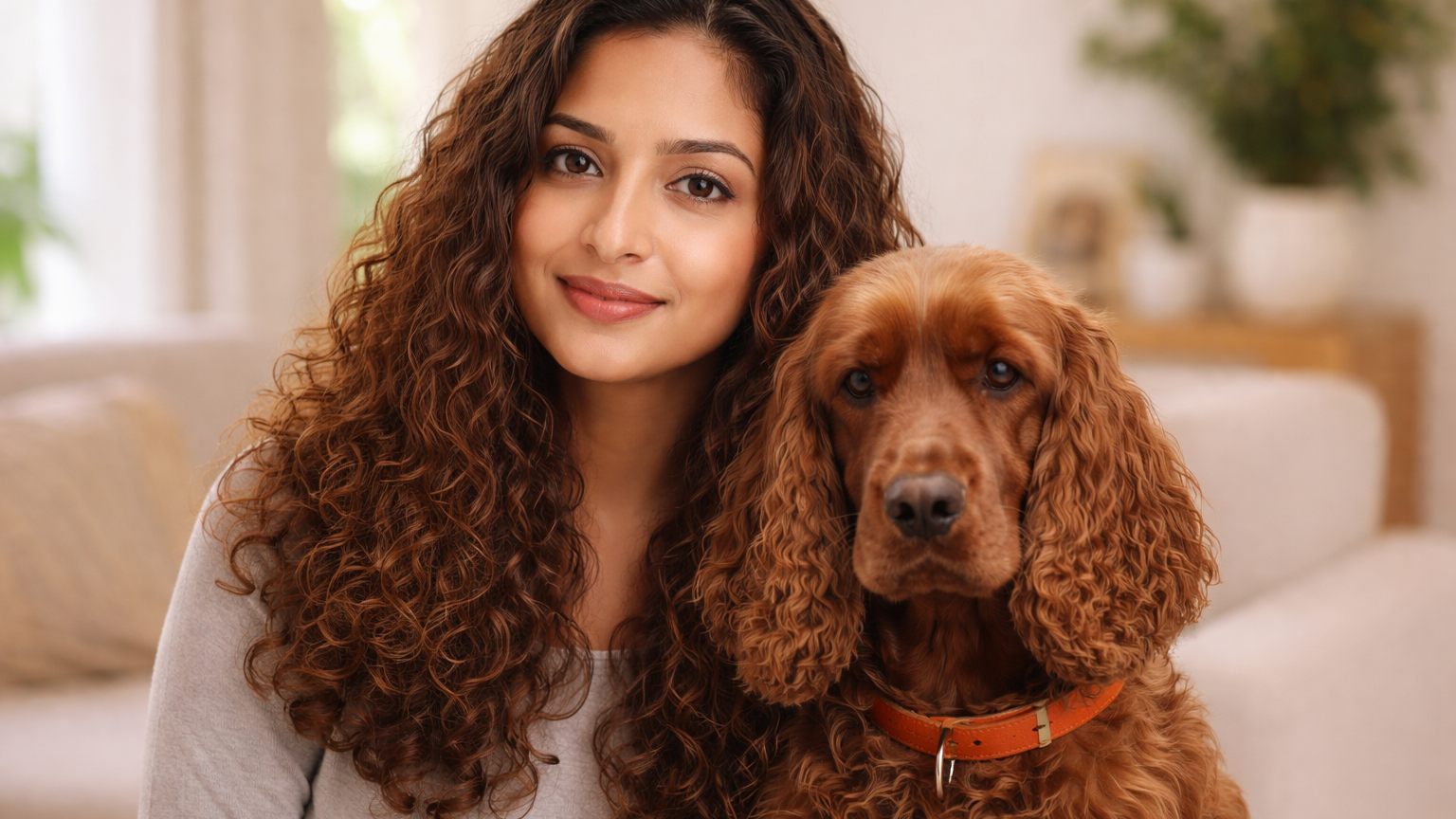
Spend enough time around pet parents and you’ll notice something strange.
Somehow, the energetic golden retriever belongs to the outdoorsy, always-on-the-move human. The dramatic cat with strong boundaries seems to live with the one person who also needs “alone time” after socializing. The nervous little dog with trust issues? Often attached to someone who also says, “I just don’t like people that much.”
Coincidence? Sometimes.
But often, not really.
There’s a reason people joke that pets look and act like their owners. The funny part is, it doesn’t just show up in appearances. Over time, the similarities often go much deeper. Daily habits, energy levels, emotional responses, and even personality traits can start to overlap in surprisingly obvious ways.
And no, this isn’t just pet-parent delusion.
The bond between people and their pets can genuinely shape behavior over time, in both directions.
IT STARTS WITH CHOICE: WE OFTEN PICK PETS THAT FEEL FAMILIAR
Long before personalities begin to sync, there’s usually already some level of natural matching happening.
People are often drawn to pets that feel emotionally familiar to them.
A calm, low-key person may prefer a quiet cat or a gentle dog. Someone highly social and energetic may naturally connect with a playful, attention-loving pet. Even when people say they “just fell in love” with a pet, that emotional pull is often influenced by personality, comfort, and lifestyle fit.
In simple terms, we often choose pets that already feel like they belong in our world.
Sometimes that match shows up physically too. There have even been popular discussions and small studies suggesting people may be drawn to dogs that somehow reflect their own vibe, expression, or energy. Not in a creepy science-fiction way, just in the very human way we tend to feel comfortable with what feels familiar.
So yes, your fluffy anxious dog and your emotionally avoidant boyfriend may have more in common than anyone is ready to discuss.
THEN COMES THE REAL SHIFT: SHARED LIFE CHANGES PERSONALITY
This is where things get more interesting.
Once a pet becomes part of someone’s daily life, the relationship starts shaping both of them.
Pets and people live in close emotional rhythm. They share routines, moods, environments, reactions, and repeated patterns. Over time, that constant exposure starts to influence behavior.
A pet learns:
- how you respond to stress
- what your energy feels like
- when you’re relaxed
- when you’re tense
- how much stimulation is normal in the home
And humans do the same thing with pets, often without realizing it.
You begin adjusting to each other in small ways:
- your sleep routine changes
- your activity levels shift
- your patience stretches
- your communication style softens
- your daily emotional world becomes more shared
That’s where the personality resemblance starts getting deeper.
Not because you’re literally becoming the same species, thankfully, but because close relationships naturally shape behaviour.
And pets are very, very good observers.
PETS PICK UP ON YOUR ENERGY FASTER THAN YOU THINK
One of the biggest reasons pets begin to act like their humans is emotional mirroring.
Pets are extremely sensitive to tone, body language, routine, and emotional atmosphere. They don’t need words to know when something feels off.
If you’re calm, consistent, and steady, your pet is more likely to settle into that same emotional rhythm.
If you’re anxious, chaotic, easily overstimulated, or constantly rushing around, there’s a good chance your pet feels some version of that too.
This doesn’t mean every nervous pet has an anxious owner or every energetic pet lives with someone who does cardio for fun. But the emotional climate of a home absolutely affects animal behaviour.
Over time, pets often learn not just what we do, but how we do life.
That’s why some pets seem weirdly dramatic, clingy, independent, suspicious, laid-back, or socially selective in ways that feel… deeply familiar.
Sometimes your pet isn’t copying you.
Sometimes they’re just adapting to the exact emotional ecosystem you created.
Which is honestly a little humbling.
HUMANS MIRROR PETS TOO, AND NOBODY TALKS ABOUT IT ENOUGH
We usually focus on how pets become like us.
But the reverse happens too.
People often start absorbing their pets’ rhythms, preferences, and even social habits over time.
You may begin:
- waking earlier because your pet does
- walking more because your dog needs it
- slowing down because your cat lives like a tiny monk
- becoming more observant of moods and body language
- structuring your day around another living being’s emotional needs
And then there’s the personality influence.
Living with a pet can make people:
- more patient
- more emotionally attuned
- more nurturing
- more routine-oriented
- more playful
- more protective
Some pets even bring out sides of people they rarely express elsewhere. A reserved person may become affectionate and silly with their dog. A highly stressed person may become calmer because their pet forces them into moments of presence and care.
So yes, people and pets influence each other.
And often, the longer they live together, the stronger those similarities become.
THE SIMILARITIES ARE OFTEN MORE EMOTIONAL THAN PHYSICAL
The “you look like your pet” joke gets most of the attention, but the deeper truth is usually in behaviour and personality.
That’s where the bond becomes most visible.
You’ll often notice similarities in:
- social behaviour
- confidence levels
- sensitivity
- emotional regulation
- attachment style
- playfulness
- stubbornness
- independence
- need for comfort and routine
Some pet-owner duos are clearly extroverts. Some are homebodies. Some are dramatic. Some are suspicious of strangers. Some are affectionate but only on their own terms.
And while part of that may start with natural compatibility, long-term bonding tends to strengthen those patterns.
In a strange but very real way, pets and people co-create each other’s personalities.
Not entirely, of course. Your cat is still going to make some deeply personal choices that cannot be explained by science or reason.
But the overlap is real.
WHAT THIS SAYS ABOUT THE HUMAN-PET BOND
At its core, this whole phenomenon says something pretty beautiful.
Pets are not just animals we feed and take care of. They become part of the emotional structure of our lives.
They influence our homes, our routines, our energy, and our identity. And we do the same for them.
That kind of closeness naturally creates resemblance.
Not just because we love them, but because real relationships change us.
The more time we spend with pets, the more we start speaking a shared language:
- a look
- a routine
- a reaction
- a pattern
- a quiet understanding
That’s why some of the strongest pet bonds feel so personal. It’s not just companionship. It’s familiarity, comfort, and mutual shaping over time.
And yes, occasionally matching expressions in family photos.
SO… ARE YOU AND YOUR PET SECRETLY THE SAME PERSON?
Honestly, maybe a little.
If your dog is overexcited, emotionally needy, and obsessed with snacks, that may just be a coincidence.
If your cat avoids eye contact, hates unnecessary interaction, and judges everyone from across the room, well… that may also be a coincidence.
But whether the resemblance is physical, emotional, behavioral, or just strangely specific, there’s usually a real reason it feels true.
People and pets often start with natural compatibility.
Then life together deepens it.
And somewhere between feeding schedules, shared routines, emotional support, and years of side-eye, you slowly become a little more like each other.
Which is either heartwarming or mildly concerning.
Possibly both.
Final Thoughts
The idea that people and their pets look and act alike may sound like a joke, but there’s a lot of truth behind it.
From personality matching and emotional mirroring to shared routines and deep companionship, the human-pet bond has a real impact over time. The longer we live together, the more those similarities often grow.
At Enavant Pet Care, we believe caring for pets isn’t just about health and hygiene. It’s also about understanding the unique bond that shapes everyday life between pets and the people who love them.
And if that bond has turned you and your pet into the same dramatic little household unit, that’s honestly kind of beautiful.