
Is Your Cat Anxious… or Just Being a Cat? - A Wacky Guide to Feline Anxiety & Drama
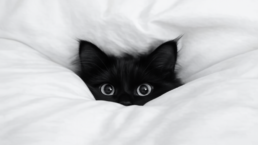
Cats are calm, graceful creatures.
That’s what the internet tells us.
Reality?
Cats panic when furniture moves two inches. They scream at closed doors. They stare into corners like they’ve seen things. And they absolutely lose their minds over a plastic bag.
So the big question is: Is your cat anxious… or just catastrophically dramatic?
Spoiler alert: sometimes it’s both.
Welcome to the wonderfully weird world of cat anxiety — where fear, confusion, and emotional overthinking live inside a tiny, furry body that refuses to explain itself.
First Things First: Yes, Cats Get Anxious
Despite their “I don’t care” attitude, cats are extremely sensitive creatures. They like routine. They like predictability. They like things exactly the way they were yesterday, last week, and preferably forever.
Anything that disrupts their carefully curated universe can trigger anxiety.
Common anxiety triggers include:
- New people (how dare they exist)
- Loud noises (thunder, vacuum cleaners, doorbells)
- Moving houses
- New pets
- Schedule changes
- Vet visits
- You leaving for work… or coming back too late
Basically, change is the enemy.
SIGNS YOUR CAT IS ANXIOUS (AND NOT JUST JUDGING YOU)
Cats don’t cry into pillows or write angry journal entries. They communicate anxiety in subtle, sometimes bizarre ways.
🚩 CLASSIC SIGNS OF CAT ANXIETY:
- Excessive hiding (under beds = emotional bunker)
- Over grooming (licking like rent is due)
- Sudden aggression (bite first, ask questions never)
- Peeing outside the litter box (protest behavior)
- Loss of appetite
- Constant meowing or weird silent staring
- Tail flicking like a ticking time bomb
If your cat suddenly behaves like a tiny, stressed-out CEO — pacing, controlling, overwhelmed — anxiety might be the culprit.
LET’S ADDRESS THE ELEPHANT IN THE ROOM:
Cats Overthink Everything
You moved a chair. – The cat noticed.
You changed their bowl. – The cat noticed.
You switched litter brands. – The cat wrote a mental complaint letter.
Cats rely heavily on scent, environment, and routine to feel safe. When any of these change, their brain goes: “THIS IS IT. THE END IS NEAR.”
Which explains why a cardboard box can be comforting… and a new cushion can cause emotional collapse.
THE TOP ANXIETY-INDUCING EVENTS IN A CAT’S LIFE
- The Vet Visit
The carrier comes out. The cat disappears into another dimension.
Vet visits combine: Strange smells, Strange animals, Strange humans and Betrayal by their favorite person (you).
Result: peak anxiety.
- Moving Houses
To a cat, a house is not just a house.
It’s:
Their territory, Their scent map, Their emotional security blanket.
Moving means everything smells wrong. Nothing feels safe. Even the walls feel suspicious.
- New Pets or Humans
Cats do not believe in instant friendships. They believe in background checks. New pets or people disrupt their social order, personal space, and nap schedule — all critical to mental stability.
- Loud Noises
Fireworks. Thunder. Construction.To humans: mild annoyance. To cats: apocalypse soundtrack.
HOW TO CALM AN ANXIOUS CAT (WITHOUT LOSING YOUR SANITY)
- Respect Their Routine
Cats thrive on predictability. Feed them at the same time. Play at the same time. Clean the litter box at the same time.
Consistency tells your cat: “The world may be chaotic, but dinner is reliable.”
- Create Safe Spaces
Every cat needs a – Quiet hiding spot, Elevated perch, Cozy bed, Judgment-free zone
These spaces give cats control — which instantly lowers anxiety.
- Play Therapy (Yes, That’s a Thing)
Play helps cats release nervous energy and boosts confidence.
Use: Wand toys, Laser pointers (end with a physical toy!) and Interactive games. A tired cat is a calmer cat.
- Gentle Grooming = Emotional Support
Anxious cats often overgroom or avoid grooming altogether.
Gentle brushing and calm grooming routines: Mimic social bonding, Release calming hormones and help to create trust.
Using mild, soothing grooming products (especially for sensitive skin) helps ensure grooming feels comforting, not stressful.
- Smells Matter More Than You Think
Cats live in a scent-based world. Strong smells — perfumes, cleaners, harsh grooming products — can overwhelm them.
Stick to: Mild, cat-safe formulations, Unscented or lightly scented products and Familiar-smelling bedding. When their environment smells “right,” cats feel safer.
WHAT NOT TO DO (UNLESS YOU WANT A NERVOUS WRECK)
🚫 Yelling or punishment
🚫 Forcing interaction
🚫 Dragging them out of hiding
🚫 Ignoring sudden behavior changes
🚫 Constantly changing food, litter, or routine
An anxious cat isn’t being “difficult.”
They’re communicating discomfort the only way they know how.
WHEN ANXIETY NEEDS PROFESSIONAL HELP
If anxiety is: Persistent, Getting worse or affecting eating, grooming, or toileting. It’s time to talk to a veterinarian. Anxiety can sometimes stem from pain, illness, or hormonal changes — especially in senior cats.
Early intervention = happier cat, fewer scratched humans.
THE TRUTH ABOUT LIVING WITH AN ANXIOUS CAT
Anxious cats aren’t broken. They’re sensitive. Observant. Deeply aware of their surroundings. They feel everything — louder, stronger, faster. With patience, routine, gentle care, and understanding, anxious cats often become: Extremely bonded, Incredibly affectionate and loyal in their own weird, aloof way.
They just need reassurance that the world isn’t constantly falling apart.
FINAL THOUGHTS: CALM CAT, HAPPY HOME
If your cat panics over new furniture, hides during thunderstorms, or acts like the vacuum cleaner is a personal enemy — you’re not alone.
Cat anxiety is common. Manageable. And absolutely nothing to be ashamed of.
With the right environment, consistent routine, gentle grooming, and calm human energy, your cat can go from “highly stressed loaf” to “reasonably relaxed ruler of the house.”
Because beneath all the drama, judgment, and side-eye…
Your cat just wants to feel safe.
And maybe scream a little less at 3 a.m.