
How To Introduce Kids to A New Cat: A Gentle Guide For A Happy Start
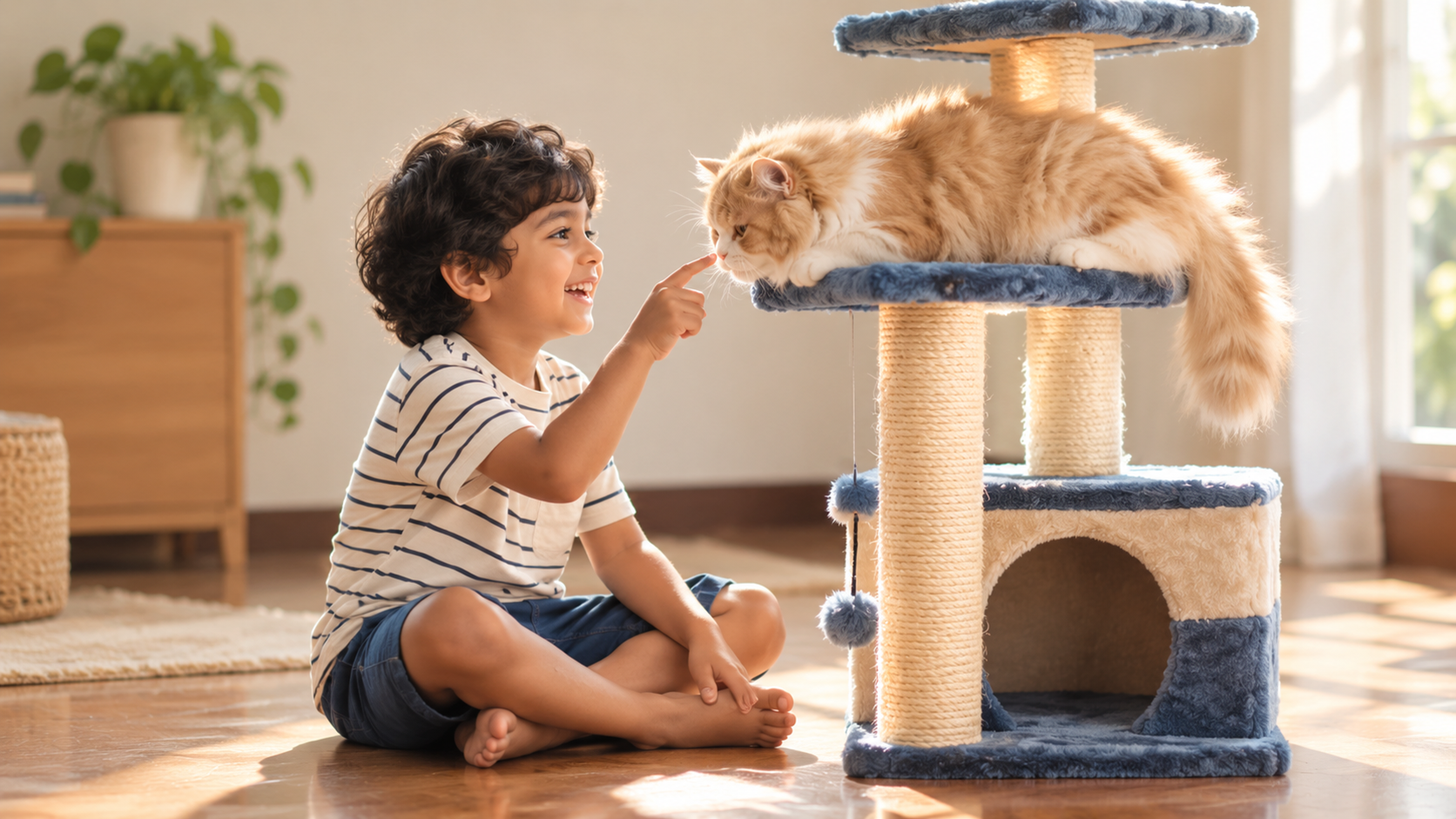
Bringing a new cat home can be an exciting experience for the entire family—especially for children. A new furry companion can quickly become a child’s playmate, cuddle buddy, and even their little confidant. But while children may be eager to shower their new cat with attention, the experience can feel very different from the cat’s perspective.
A new home means unfamiliar sights, sounds, smells, people, and routines. For a cat, adjusting to all of this can take time. The key to a successful introduction is not simply helping your child meet the cat, but teaching them how to build trust gradually.
With a little preparation, patience, and supervision, you can help your child and new cat develop a relationship that is comfortable, respectful, and rewarding for both.
1. Talk to Your Child Before the Cat Arrives
Before bringing your new cat home, have a simple conversation with your child about what to expect.
Explain that the cat may be shy at first. It might hide under furniture, stay in one corner, avoid being touched, or take some time before approaching people. Make it clear that this doesn’t mean the cat doesn’t like them.
You can explain it in child-friendly language: “The cat is coming to a new home, so we need to give them some time to feel safe.”
This helps set realistic expectations. Children may imagine that their new pet will immediately want to be picked up and cuddled. Preparing them beforehand can prevent disappointment and reduce the temptation to chase or overwhelm the cat.
2. Teach the Golden Rule: Let the Cat Come to You
One of the most important lessons children can learn is that animals should not be forced to interact.
Instead of encouraging your child to run toward the cat, ask them to sit quietly nearby and allow the cat to approach when it feels comfortable.
This gives the cat a sense of control.
Your child can sit on the floor, speak softly, and perhaps gently extend a hand for the cat to sniff. If the cat walks away, that’s okay. Your child should understand that walking away is the cat’s way of saying, “I need some space.”
Teaching this boundary early can help children develop empathy and respect for animals.
3. Create a Safe Space for the Cat
Your new cat should have a quiet area where it can retreat whenever it feels overwhelmed.
This could be a separate room or a peaceful corner equipped with essentials such as food, water, a litter tray, bedding, and appropriate hiding places.
Make one rule very clear to children: When the cat is in its safe space, we leave it alone.
This gives your cat somewhere to decompress without worrying about being followed or picked up. It is particularly important during the first few days when everything is still unfamiliar.
4. Keep the First Meeting Calm
When the cat first arrives, excitement levels can be high. Everyone may want to see it immediately, but try to resist the urge to turn the arrival into a family event.
Give the cat time to explore its surroundings. Once the cat appears comfortable, introduce children one at a time if possible. Ask them to sit quietly rather than crowding around the cat.
Avoid loud voices, sudden movements, chasing, or attempts to pick up the cat. A calm first meeting can make a significant difference to how the cat perceives the new environment.
5. Teach Children How to Pet a Cat
Children should learn that cats generally prefer gentle, predictable interactions. Show them how to use slow movements and gentle strokes. Depending on the individual cat, areas such as the head, cheeks, or back may be more comfortable than the tail, paws, or belly.
Teach children never to pull the cat’s tail, ears, whiskers, or fur. It’s also important to explain that a cat’s belly is not necessarily an invitation for a tummy rub. Some cats may expose their belly when relaxed but still prefer not to be touched there.
The goal is to help children understand that being affectionate means paying attention to what the cat is comfortable with.
6. Help Children Recognise Cat Body Language
Learning to read a cat’s body language can make interactions much safer and more enjoyable. Teach your child to notice when the cat wants attention—and when it wants space.
Signs that a cat may be comfortable can include:
- A relaxed body
- Calm movements
- Ears in a neutral position
- Approaching people voluntarily
- Rubbing against someone
- Purring in a relaxed situation
On the other hand, children should know to step back if the cat is:
- Hiding or trying to escape
- Flattening its ears
- Hissing or growling
- Swishing its tail rapidly
- Crouching or appearing tense
- Trying to scratch or bite
Explain that these behaviours aren’t signs of a “bad” cat. They’re ways of communicating discomfort or fear.
7. Never Encourage Chasing or Rough Play
What seems like a fun game to a child may be stressful for a cat. Running after the cat, cornering it, grabbing it, or repeatedly disturbing it can make the animal fearful and may damage the trust you’re trying to build.
Instead, encourage appropriate play using cat toys. Interactive toys can allow children and cats to play together while maintaining a comfortable distance. Wand-style toys, for example, can give the cat an opportunity to chase and pounce without encouraging children to use their hands as toys. Always supervise playtime, particularly with younger children.
8. Teach Children That Cats Need Quiet Time
Cats sleep a lot, and children may not always understand why their new friend isn’t available to play. Explain that sleeping, eating, grooming, and using the litter tray are times when the cat should generally be left alone.
You can even create a simple family rule: “If the cat is eating, sleeping, hiding, or using the litter tray, we give it privacy.”
This is a simple lesson that can help establish healthy boundaries.
9. Give Your Child Small Responsibilities
Once your child understands how to interact safely with the cat, small age-appropriate responsibilities can help them develop a stronger bond.
Depending on their age, children might help with:
- Refilling the water bowl with supervision
- Helping choose a toy
- Grooming with an appropriate brush under adult supervision
- Helping organise toys
- Giving treats when an adult says it is appropriate
These activities can make children feel involved while teaching them that having a pet is about care and responsibility—not just cuddles and play.
10. Always Supervise Young Children
Even the gentlest child and the calmest cat need supervision during interactions. Children are still learning how to understand animal behaviour, while cats can react quickly if they become frightened or uncomfortable. An adult should be nearby, particularly during the early stages of the relationship.
Supervision isn’t about assuming that either the child or the cat will behave badly. It’s about helping both of them learn how to communicate with each other safely.
11. Give the Relationship Time
Perhaps the most important thing to remember is that friendship doesn’t have to happen on day one. Some cats are naturally social and may happily approach the family almost immediately. Others may take days or even longer to become comfortable.
Don’t compare your new cat’s behaviour with another cat you’ve known. Let the relationship develop at its own pace. A child who learns to sit quietly beside a nervous cat today may eventually become the person that cat chooses to curl up beside every evening.
That makes the wait worthwhile.
BUILDING A BOND THAT LASTS
Introducing children to a new cat is really an opportunity to teach something bigger than pet care. It teaches children about empathy, patience, boundaries, responsibility, and respect.
The best relationships between children and pets aren’t built by constant touching or playing. They’re built through trust.
Give the cat a safe space. Teach your child to approach gently. Encourage calm play. Pay attention to body language. And most importantly, allow the cat to decide when it is ready for more interaction.
With time, your child may discover that the best part of having a cat isn’t simply having a new pet in the house—it’s earning the trust of a little companion who chooses to be by their side.
A little patience today can build a beautiful friendship for years to come.